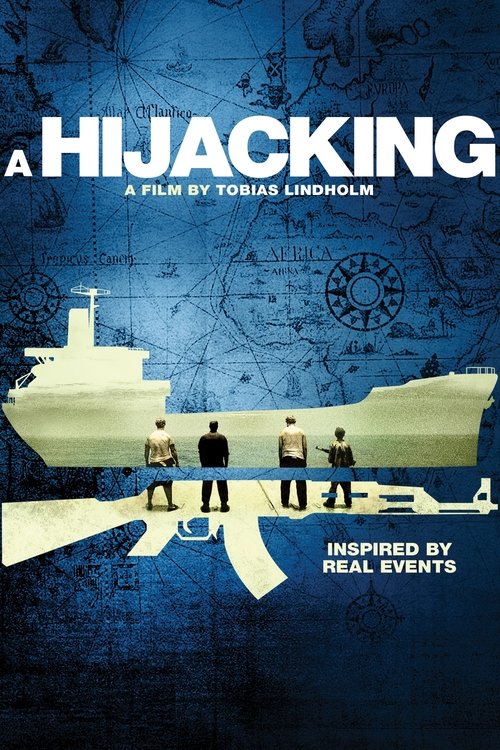
A Hijacking
A Danish cargo ship is seized by Somali pirates in the Indian Ocean. On board, Mikkel the cook just wants to get home to his wife and daughter. In Copenhagen, Peter, the shipping company's CEO, is convinced he can handle the negotiations himself. He listens to the professional adviser, then ignores the most important advice of all and takes the phone directly. The ransom talks begin, and they go on for months.
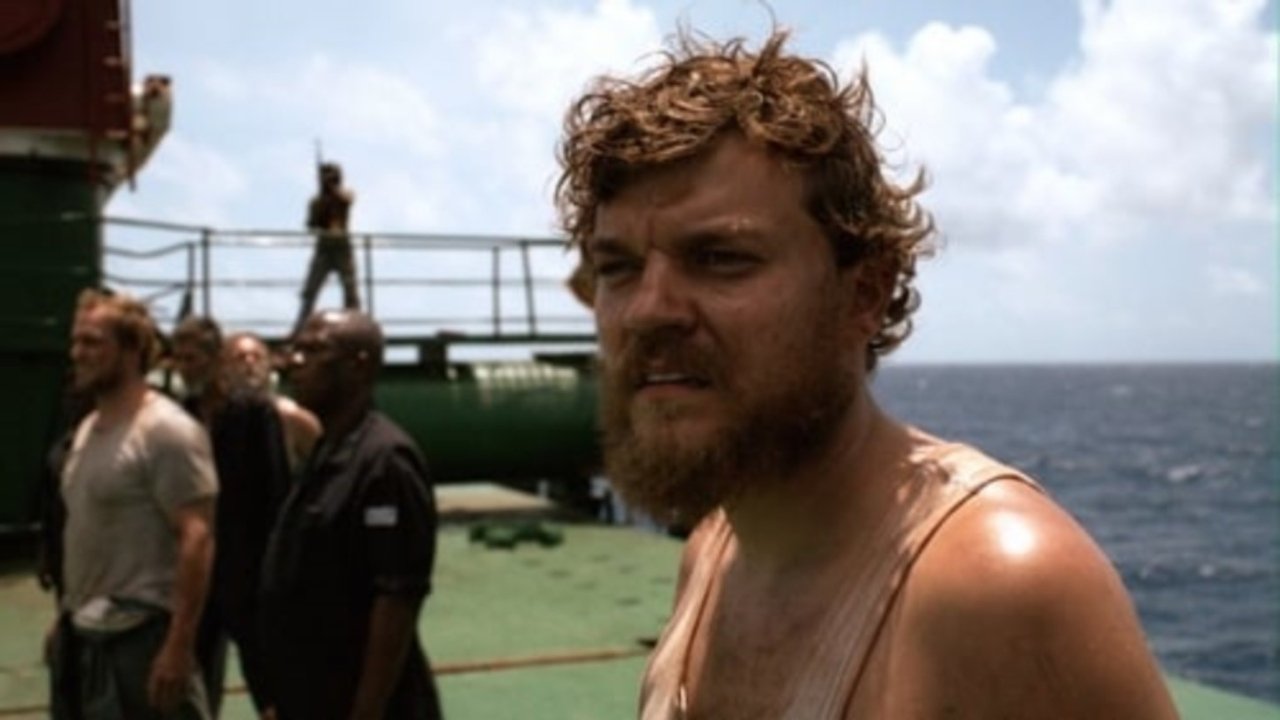
Tobias Lindholm, who co-wrote The Hunt with Vinterberg and wrote for Borgen, strips away every action-movie reflex. No rescue, no heroism, no catharsis. Only dread, time, and what months of uncertainty do to everyone involved. The film cuts between the ship and the boardroom, and the parallel is impeccable. Pilou Asbæk's cook slowly falls apart in a stinking cabin. Søren Malling's CEO, all calm efficiency at first, loses his grip in a glass office where the coffee is always hot. Both are prisoners. One just has better furniture.
What impressed me most is the realism. Lindholm used a real hostage negotiator in the cast and shot on a real ship, and you can feel it. Numbers are offered, rejected, revised. Every phone call is a small war of nerves. It is the opposite of a Hollywood hijacking film, and far more frightening because of it. One of the finest films about institutional failure I've seen, and proof of how strong Danish cinema was in those years.