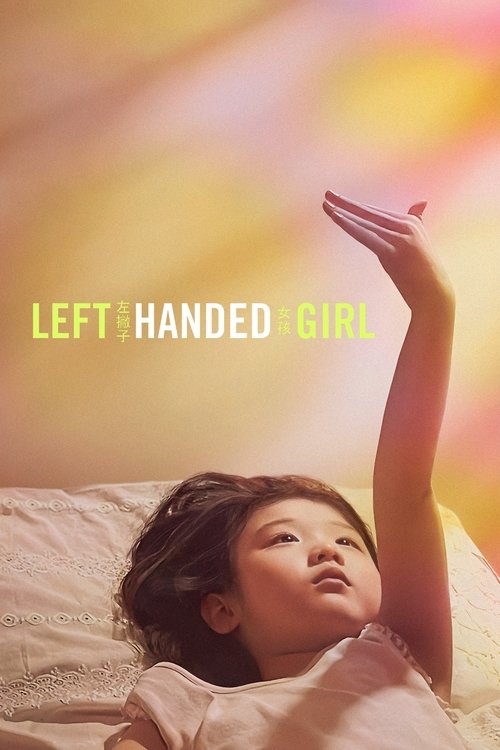
Left-Handed Girl
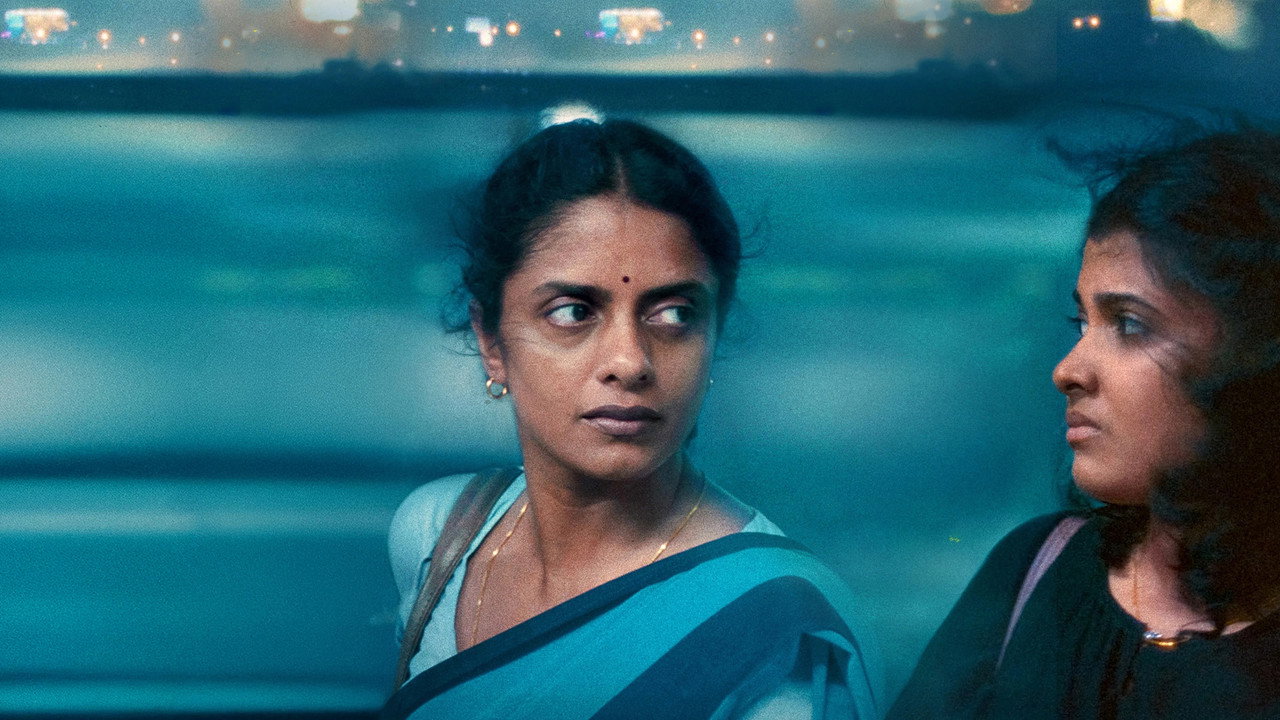
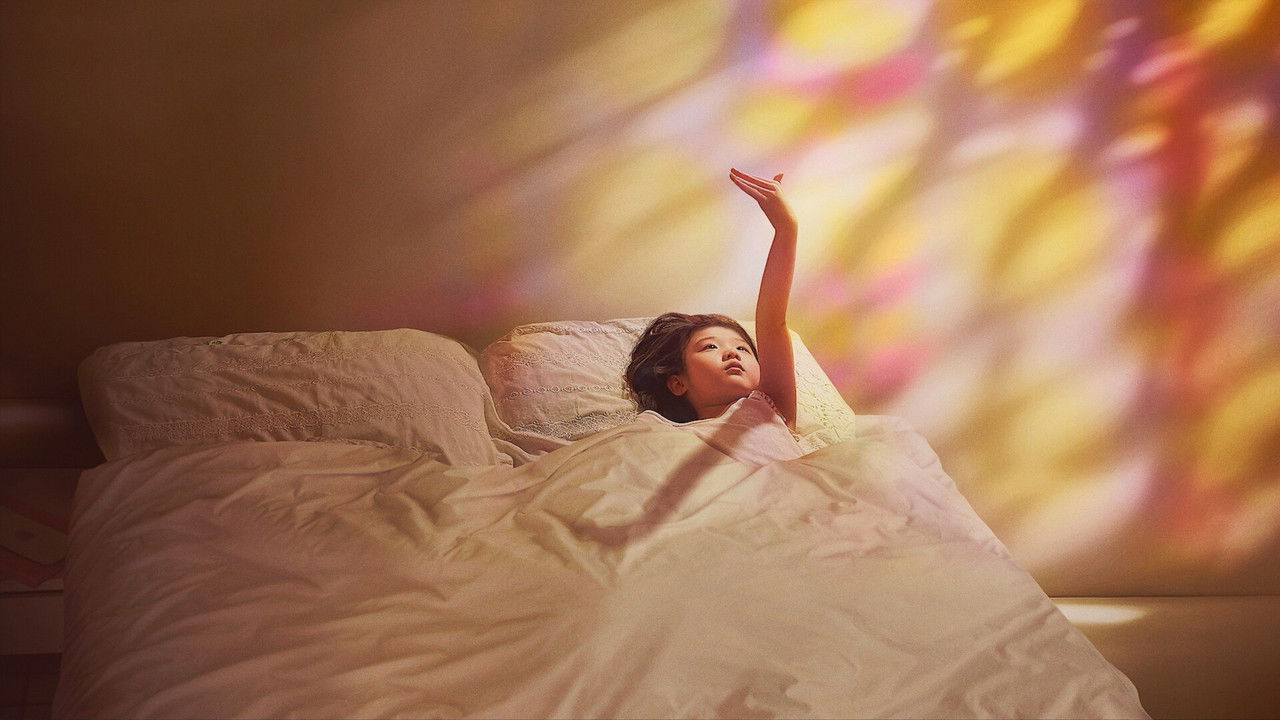
Shu-Fen, a single mother, moves back to Taipei with her two daughters to open a noodle stall in a crowded night market. The older girl, I-Ann, is sharp-tongued and restless, and works at a roadside betel nut stand. The younger one, I-Jing, is five, curious about everything, and left-handed. When the family visits their grandparents, the old-fashioned grandfather tells her that her left hand is "the devil's hand" and must not be used. I-Jing takes this very literally. If the devil controls her left hand, then whatever it does is not her fault. And her left hand starts taking things from the market stalls.
Shih-Ching Tsou co-wrote the film with Sean Baker, who also edited it, and you can feel the connection to his work: the bright, chaotic colours, the handheld camera that follows people through crowds and neon, and the deep sympathy for women just getting by. The night market is filmed like a living organism, noisy and generous and a little dangerous. The three actresses are wonderful together, and Nina Ye as little I-Jing is one of the most natural child performances I have seen in years.
What starts as a sweet, funny story about a child's superstition slowly becomes something much bigger: a portrait of three generations of women carrying debts, secrets and shame that were never really theirs. The family birthday banquet near the end, where everything finally comes out, is devastating. It premiered in the Critics' Week at Cannes and was Taiwan's Oscar entry, making the shortlist. Warm, lively and heartbreaking. A must see.