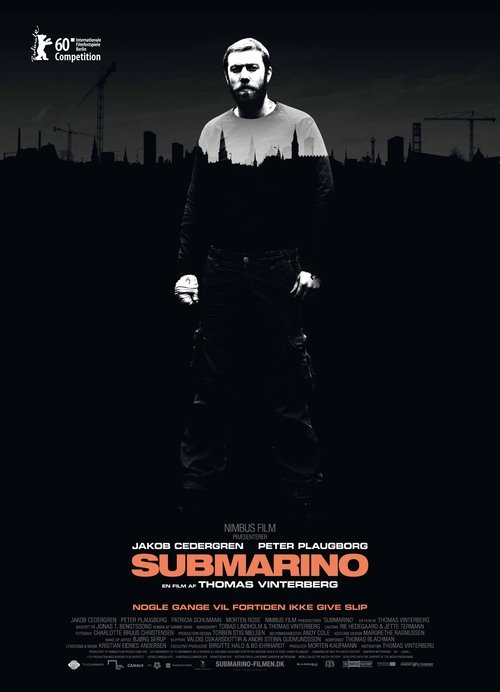
Submarino
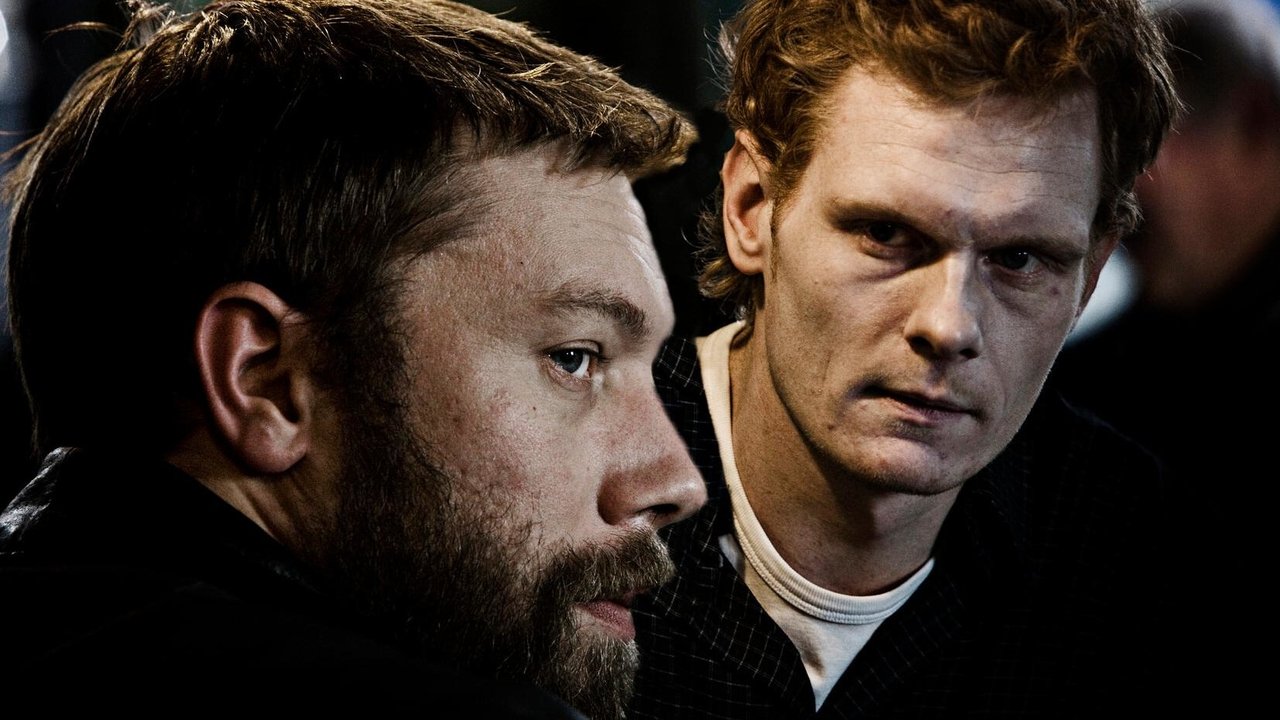
Two brothers who, as children, were left to care for their baby brother while their mother drank. The baby died. Years later, Nick is out of prison, living in a shelter, drinking and trying to function. His younger brother is a single father whose drug habit is spiralling out of control, and who loves his small son Martin more than anything, even while he fails him. The two brothers barely see each other. They don't need to. They carry the same wound.
Vinterberg adapted the film from Jonas T. Bengtsson's novel, and it marked his return to Danish cinema after his years making English-language films. It is his bleakest film, an unflinching study in generational damage, in how the failures of one generation are inherited as wounds by the next. The film is split between the two brothers, and the structure lets you see how close they come to each other without knowing it. Jakob Cedergren is remarkable as Nick, a big, gentle man who has made violence his only language.
It is shot with the same handheld urgency as The Celebration but stripped of any hope. Copenhagen here is all hostels, stairwells and grey morning streets. It competed at Berlin and won the Nordic Council Film Prize. It is not easy to watch, and Vinterberg makes no attempt to make it easy. But the tenderness between father and son is what stays with me. A hard, honest film that deserves a wider audience.