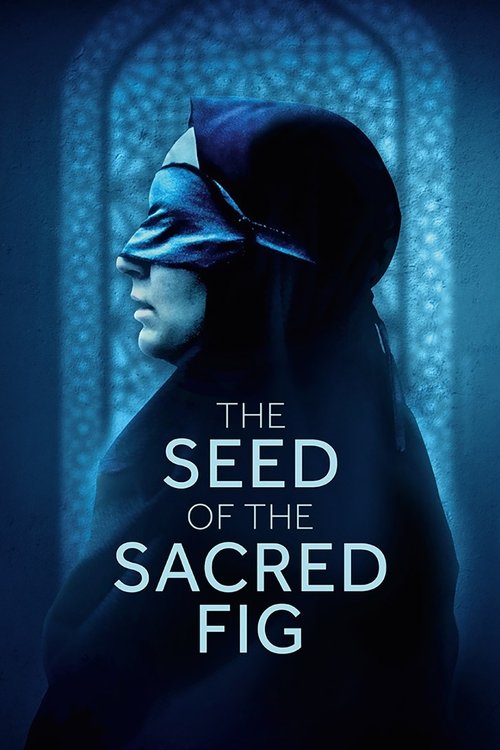
The Seed of the Sacred Fig
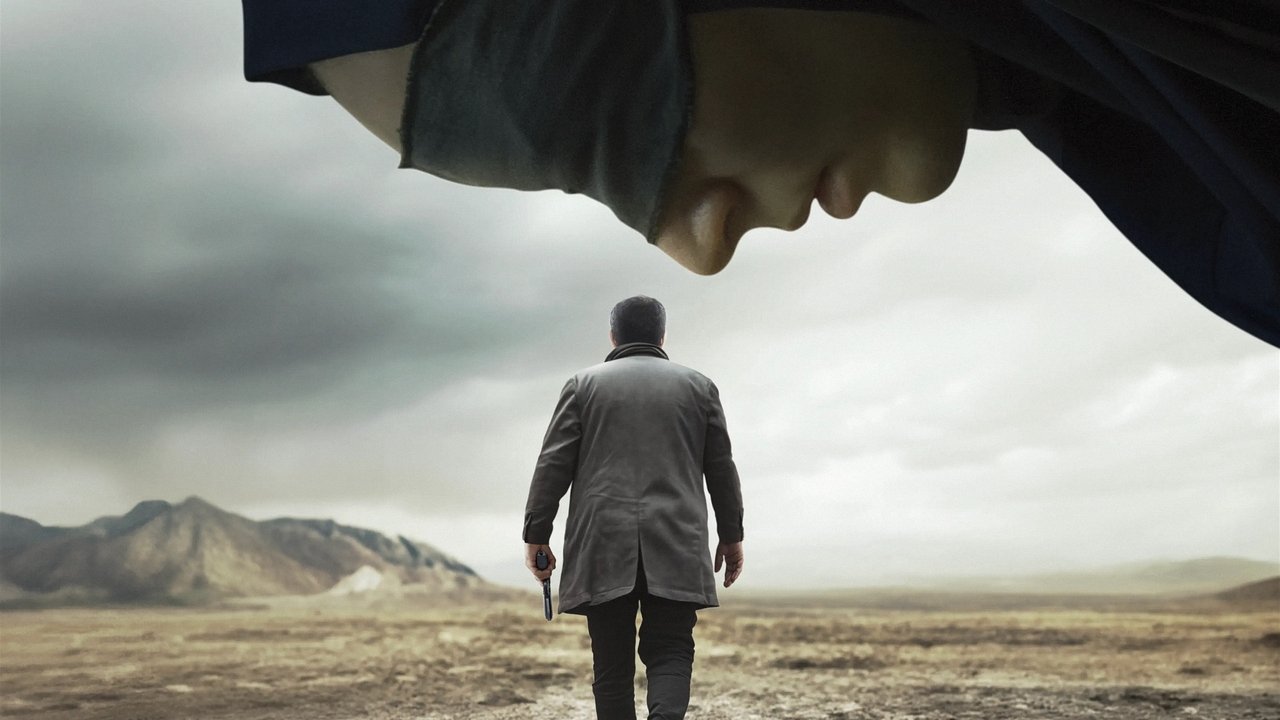
Iman has served the state loyally for twenty years, and now he is promoted to investigating judge at the Revolutionary Court in Tehran. It means a bigger apartment and a better life for his wife Najmeh and their two daughters, Rezvan and Sana. It also means signing death sentences he is not given time to read. The promotion comes just as the 2022 protests over Mahsa Amini's death fill the streets. Then his service pistol goes missing at home, and paranoia sets in. He begins to suspect his own wife and daughters, who have been watching footage of the protests on their phones.
Rasoulof weaves that real phone footage into the film. The fiction suddenly sits next to the actual violence of the crackdown, and the family's living room becomes a small model of the whole country: a father who demands obedience, daughters who have seen too much to give it, a mother caught in the middle. At almost three hours it is long, and the final stretch takes the film somewhere stranger and more symbolic. But the slow tightening of the first two acts is gripping.
Rasoulof, who won the Golden Bear for There Is No Evil, was sentenced to eight years in prison and flogging, and fled Iran on foot through the mountains days before the film's Cannes premiere. It won the Special Jury Prize. The state's cruelty only proved the film's argument. One of the most important films of the decade, and the one that cost its director the most to make.