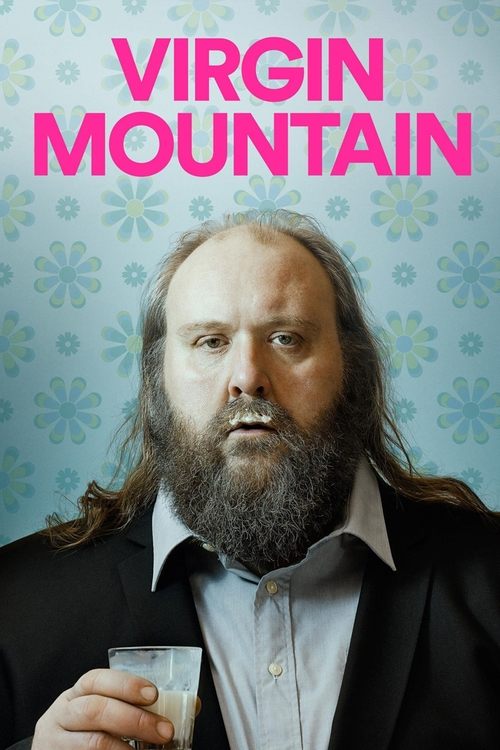
Virgin Mountain
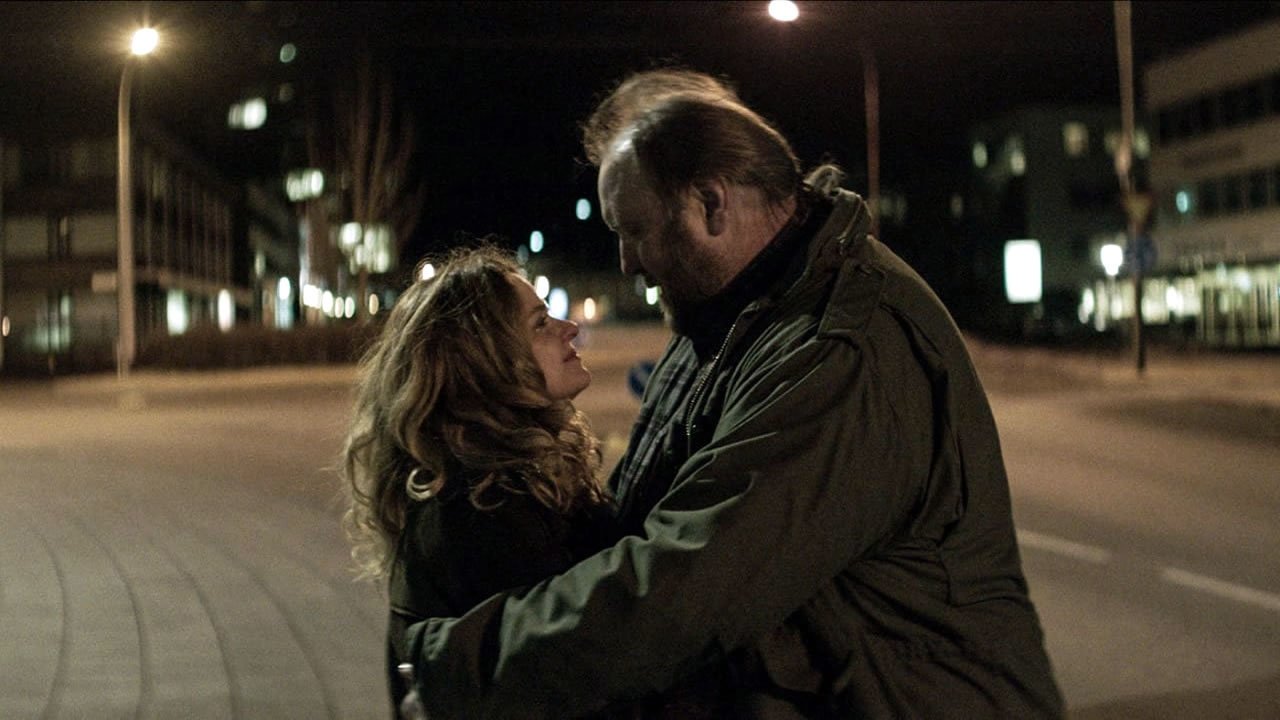
Fúsi is 43, lives with his mother, works as a baggage handler at the airport, and has built a life of quiet routine that keeps the world at a safe distance. The same dinner at the same restaurant. Evenings spent recreating World War II battles with model tanks. Colleagues who bully him, and a radio request show he calls in to. For his birthday, his mother's boyfriend gives him a voucher for a line-dancing class. He doesn't want to go, but he goes, and there he meets Sjöfn.
Something begins to open, but Dagur Kári doesn't turn it into a makeover story. Sjöfn has her own fragility, and Fúsi's kindness, which everyone around him has mistaken for weakness, turns out to be his greatest strength. Gunnar Jónsson, a huge, soft-spoken man, gives a performance of extraordinary tenderness. He barely raises his voice, and he says more with a look than most actors do with a monologue.
The film never condescends to its protagonist or asks you to pity him. Kári, who made Noi the Albino, has a gift for odd, lonely people in cold places, and he films the Reykjavík winter with deadpan humour and real warmth. It won the top prize at Tribeca and swept the Edda Awards at home. One of Iceland's most quietly devastating films, and one of the kindest films I have seen about loneliness.