Where Do We Go Now?
In a remote Lebanese village, cut off from the world by a broken bridge and a minefield, the church and the mosque stand side by side. Christians and Muslims have lived together for generations. But the news on the one television in town is full of sectarian violence elsewhere, and the men are restless. Every small accident threatens to become a war. So the women, Christian and Muslim together, conspire to keep their husbands and sons distracted, using every trick they can think of.
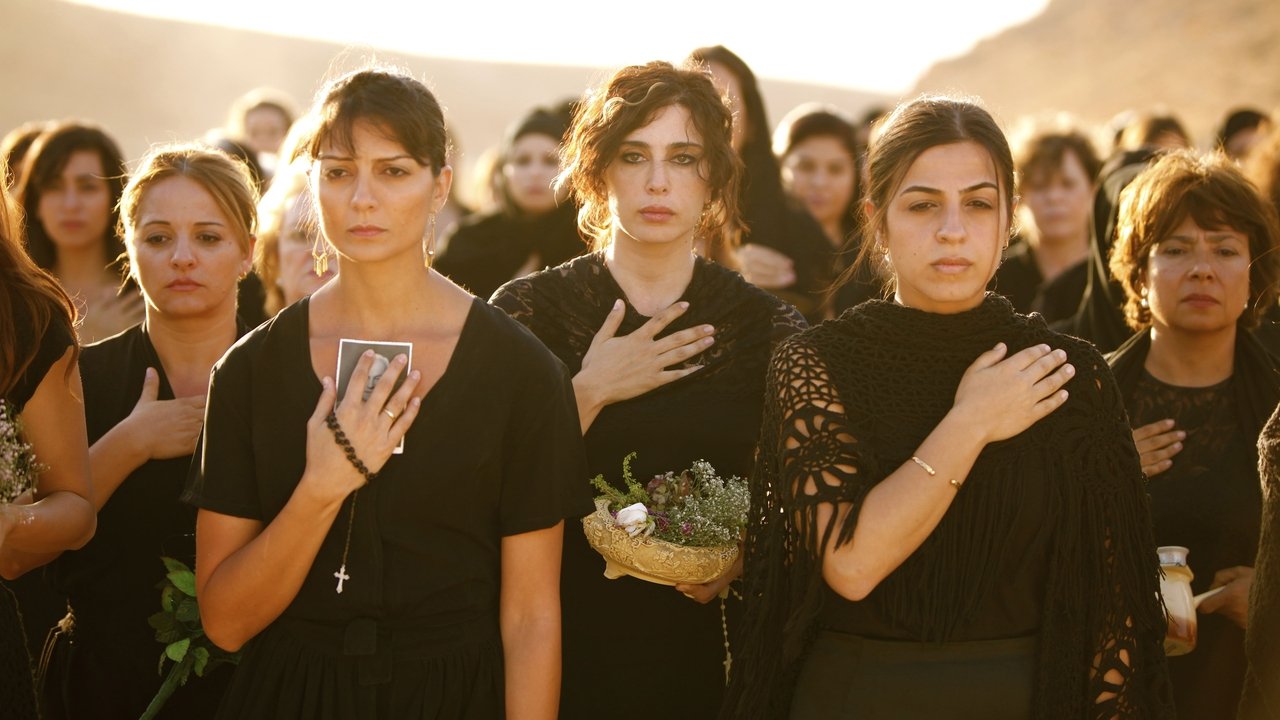
Labaki, who also plays Amale, the widowed café owner at the centre of the story, blends comedy, music and real grief in a way only Lebanese cinema seems capable of. The film opens with a procession of women in black walking to the cemetery, and that image never quite leaves. Some of the women's schemes are pure farce: a fake miracle, a busload of foreign dancers, pastries with a very special ingredient. Then suddenly a scene breaks your heart, and you remember what they are actually fighting.
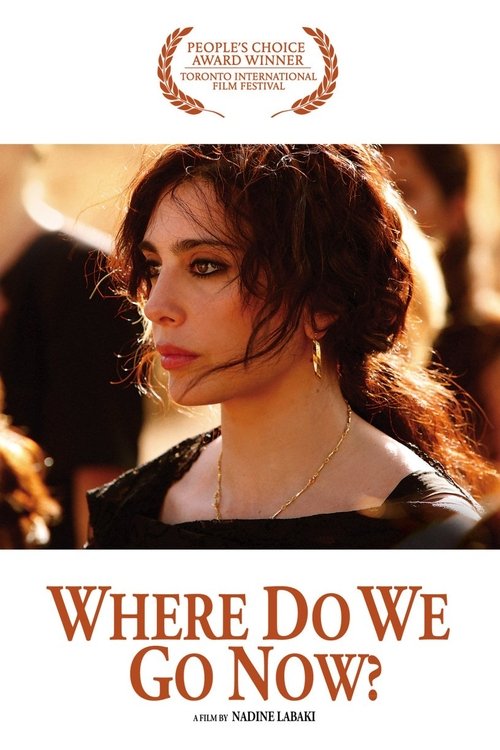
Not everything works. The tone swings are sometimes too sharp, and the musical numbers won't be for everyone. But the anger underneath is real, and so is the love for these women, who have buried too many sons. Labaki had made Caramel before this, and would go on to make Capernaum. It won the People's Choice Award at Toronto. A fable, a comedy and a lament all at once, and very hard to forget.