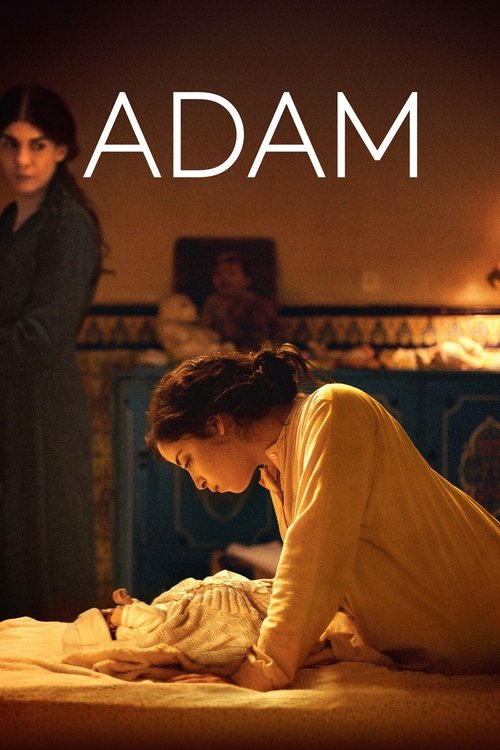
Adam
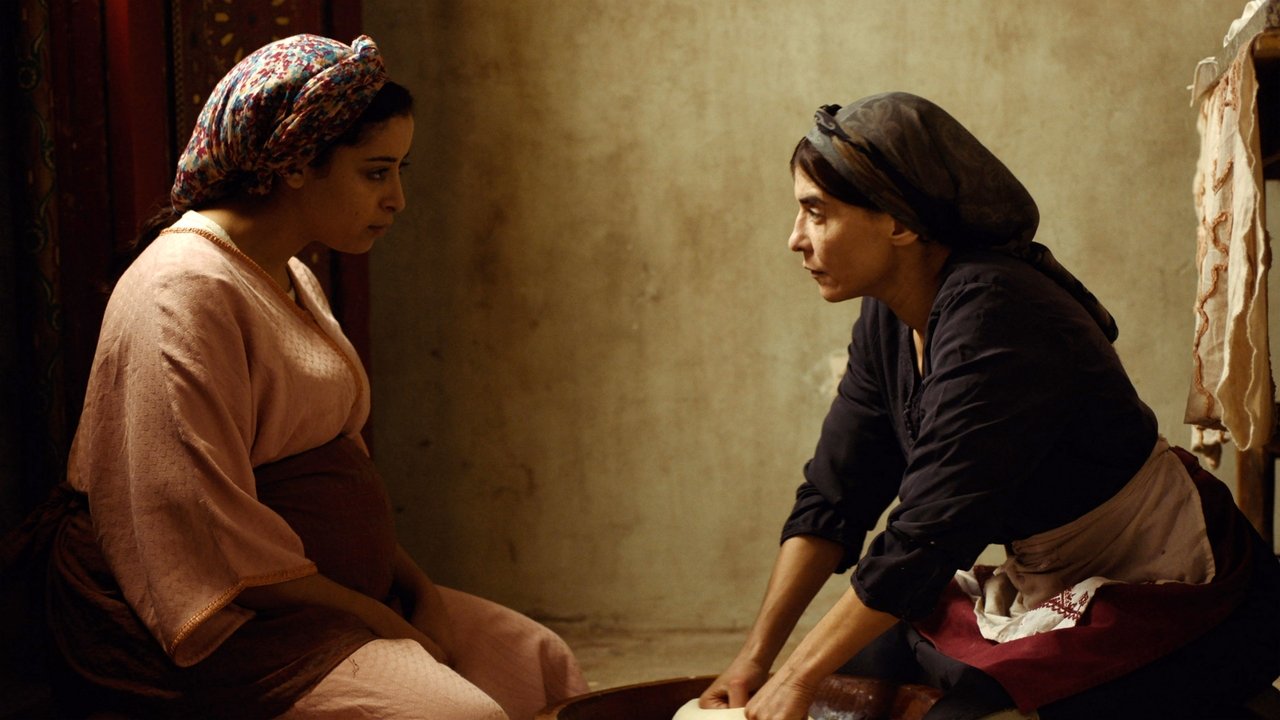
Casablanca. Abla is a widow who runs a small bakery from her home in the medina and lives alone with her eight-year-old daughter Warda. Her days are a strict routine of dough, customers and homework, and she has closed herself off from everything else. One evening a young woman knocks on the door looking for work and a place to sleep. Samia is heavily pregnant and unmarried, which in Morocco means she has nowhere to go. Abla says no. Then, reluctantly, she lets her in for one night.
The film was inspired by something that happened in the director's own family, and it is told with great restraint: two women, a small house, the kneading of bread, the light through a window. Lubna Azabal is superb as Abla, a woman who has frozen her grief so completely that she has forgotten how to feel anything, and Nisrin Erradi gives Samia a quiet strength and fear that never turns into self-pity. Little Warda, curious and delighted by the newcomer, brings the house back to life.
It is a film about solidarity between women, about grief and new beginnings, and about the impossible position of a mother who cannot keep her child without losing everything else. Nothing is rushed, and the emotion builds slowly until it is almost unbearable. It premiered in Un Certain Regard at Cannes and was Morocco's Oscar entry. Small, warm and deeply moving.