I'm Still Here
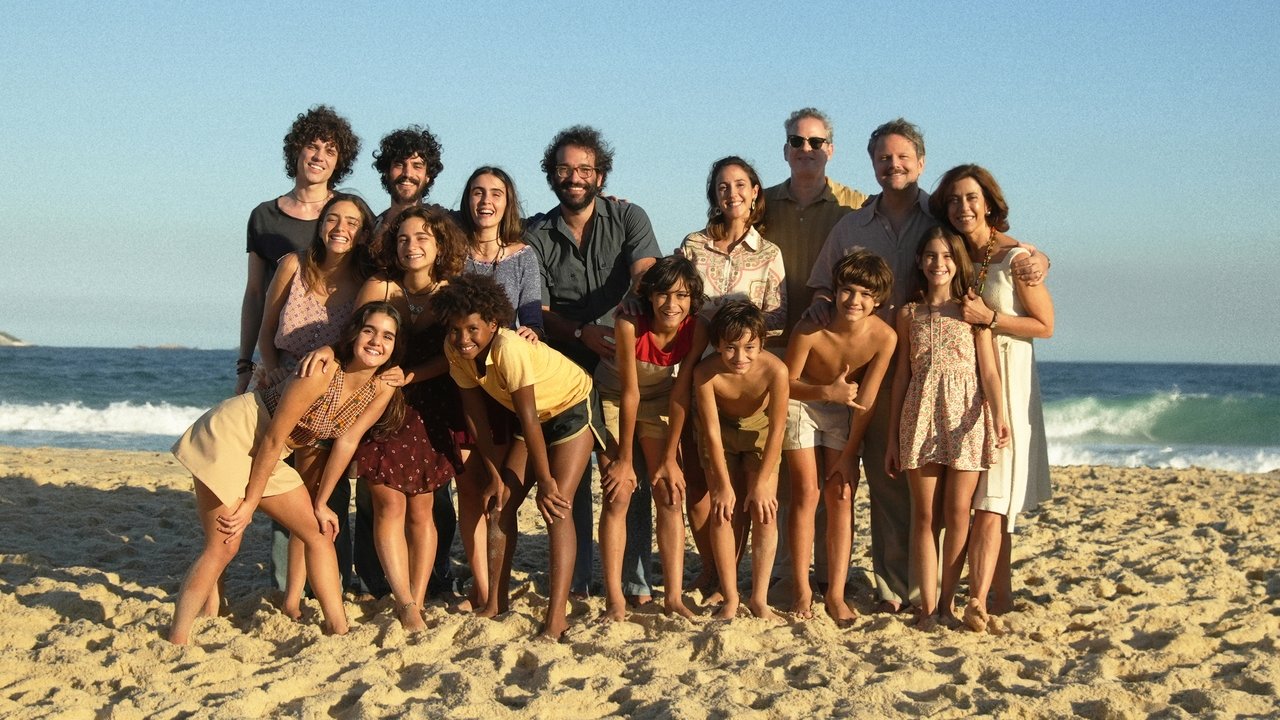
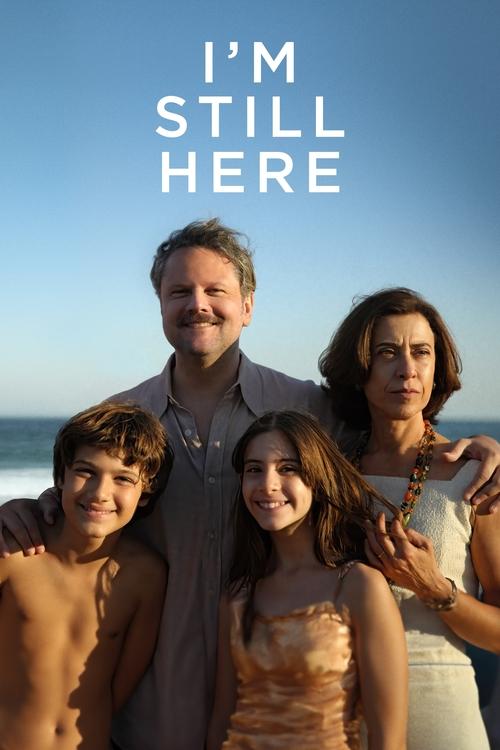
Rio de Janeiro, 1970. Eunice Paiva lives with her husband Rubens, a former congressman, and their five children in a house by the beach. It is a home full of music, friends, dogs and open doors, while the military dictatorship tightens its grip outside. One day men in plain clothes come for Rubens, and he does not come back. Eunice, and one of her daughters, are taken and interrogated too. From then on, a mother of five is forced to reinvent herself.
Walter Salles, the director of Central Station, returned to Brazilian cinema after years away, and the film is based on the memoir by Marcelo Rubens Paiva, the couple's son. Salles spends a long time with the family before the disappearance, so that we feel the loss as an absence in every room. Then the film follows Eunice as she refuses to stop asking questions, eventually becoming a lawyer and a campaigner for human rights. It helped reconstruct an important part of Brazil's hidden history.
Fernanda Torres carries it with enormous control, all held breath and composure, and won the Golden Globe for Best Actress. The film won Best Screenplay at Venice, and the Oscar for Best International Feature. The title says it all: the victims are still here, and so are those responsible. Restrained, moving and important.