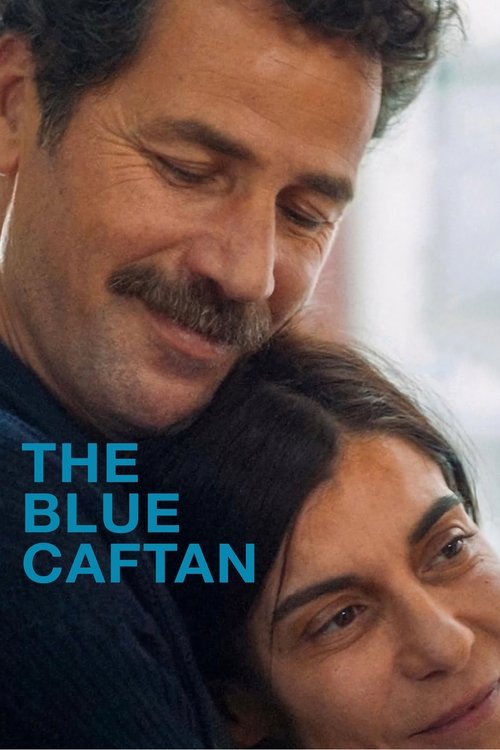
The Blue Caftan
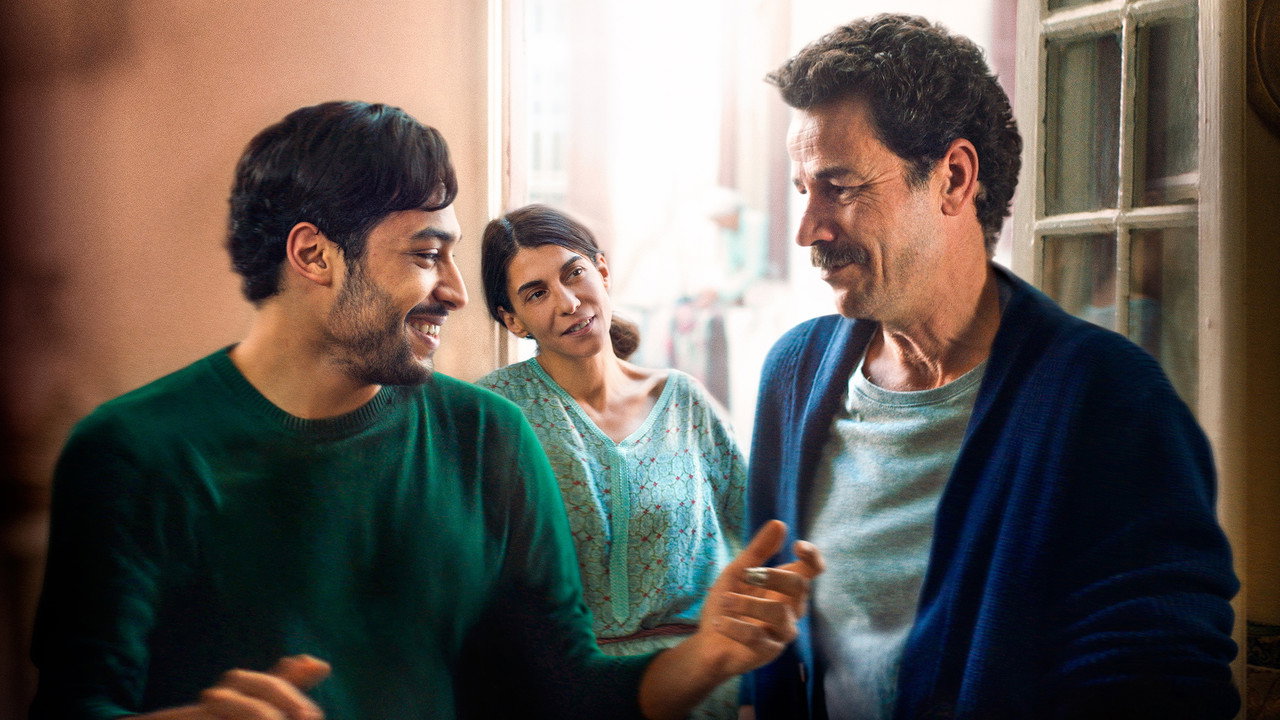
In the old medina of Salé, Halim is a master tailor, a maalem, who still sews caftans entirely by hand while customers complain about how long they wait. His wife Mina runs the shop with sharp tongue and sharper eye. They have lived for years with his secret, his desire for men, which nobody speaks about. When a young apprentice, Youssef, arrives to learn the trade, and Mina's illness grows more serious, everything shifts.
Maryam Touzani, who made Adam before this, films the work itself with real love: silk threads, needles, hands moving slowly over the fabric of the blue caftan that gives the film its name. The pace follows the craft, patient and careful. What could have been a story of betrayal becomes something much rarer, a triangle of tenderness, where each of the three protects the others in their own way. Saleh Bakri is deeply moving as Halim, a man whose whole body is held in restraint, and Lubna Azabal gives Mina a strength and dignity that I won't forget.
It premiered in Un Certain Regard at Cannes, where it won the FIPRESCI Prize. In a country where homosexuality is still a crime, it is a brave film, but it never feels like a lecture. It is about desire and its suppression, but even more about the love that survives honesty. Tender, precise, and shot through with grief.